Snow Whitening: Does It Really Work?
In recent years, Snow Whitening (or Snow Teeth Whitening) has become a trending topic on Google searches and social media. It is a whitening kit from the USA that uses peroxide gel and LED light. But does it really work as advertised? This article provides a fair, balanced, and evidence-based review, with references to international scientific research, so readers can make informed decisions.
What is Snow Whitening?
- Origin: Snow Whitening is a well-known brand from the United States.
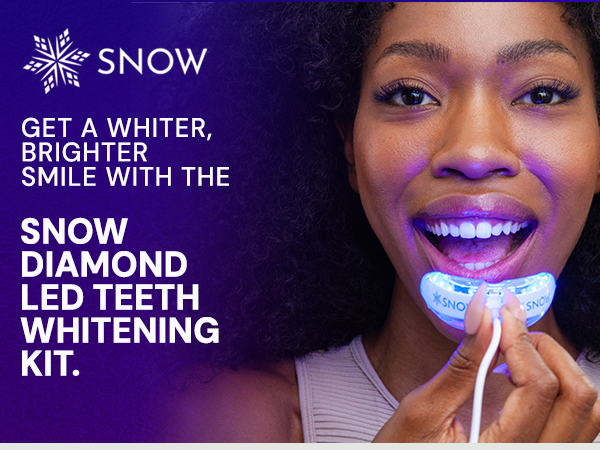
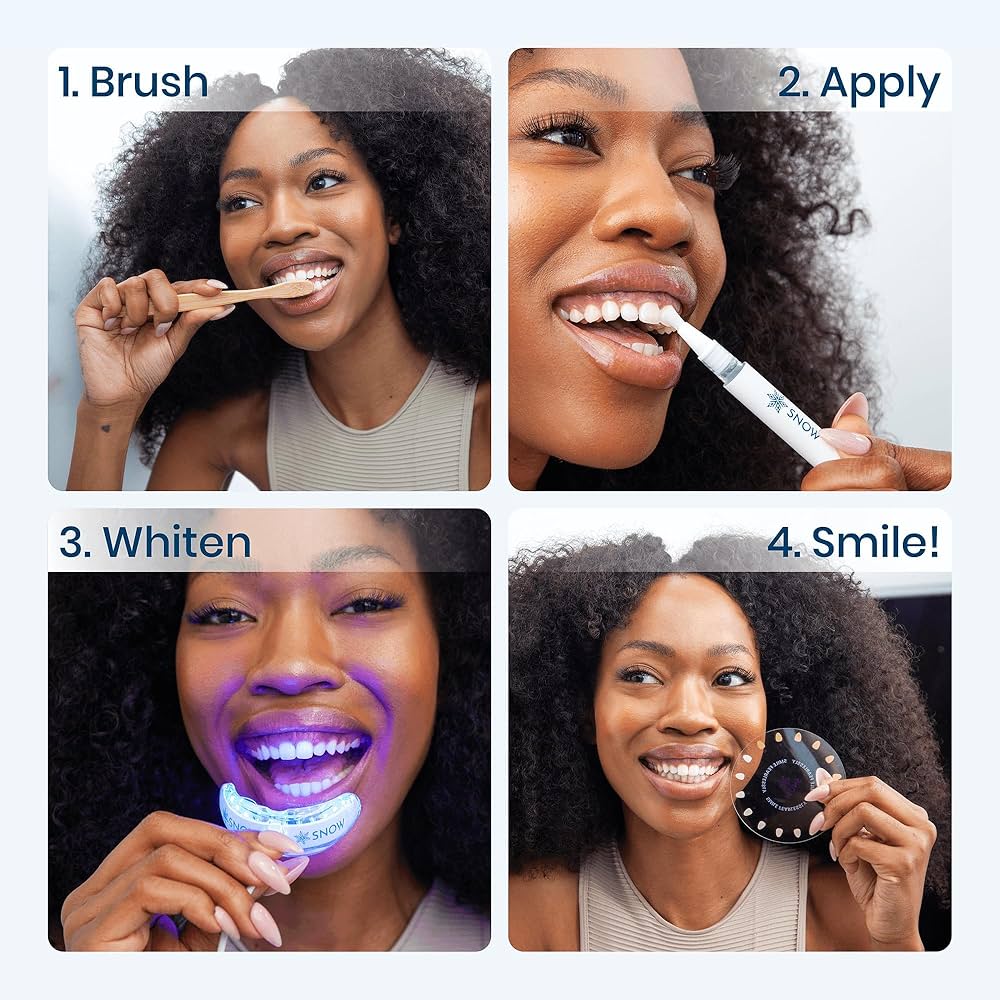
- Mechanism: The kit uses peroxide-based whitening gel (usually hydrogen peroxide or carbamide peroxide at low concentration) and LED blue/red light.
- Application: Users apply the whitening gel to a mouth tray, insert it, and use the LED light for 10–30 minutes daily.
- Promise: Advertised as being convenient, painless, and capable of delivering professional-like whitening results at home.
How At-Home Whitening Works
At-home whitening systems rely on the oxidizing effect of peroxide compounds. When the gel is applied to the tooth surface, hydrogen peroxide penetrates the enamel and breaks down chromogenic molecules, leading to a lighter tooth shade. LED light is marketed as a catalyst, though research is mixed on whether light significantly improves whitening results compared to peroxide alone.
What the Science Says
International studies have examined at-home whitening kits similar to Snow Whitening:
- Limited Whitening Effect: A systematic review in the Journal of Dentistry concluded that carbamide peroxide gels (10–22%) can lighten teeth by 1–2 shades, but are not effective against intrinsic or deep stains (Demarco et al., 2009).
- Temporary Results: A literature review by Joiner (2010) noted that whitening typically lasts several months but fades if users continue drinking coffee, tea, wine, or smoking.
- Sensitivity Issues: The British Dental Journal reported that peroxide products may cause transient tooth sensitivity or gingival irritation, especially without dentist supervision (Li & Greenwall, 2013).
- Mixed Results with LED Lights: A clinical trial published in Lasers in Medical Science found no significant difference between peroxide-only whitening and peroxide plus LED light, suggesting that the LED function may be more about marketing than science (Maran et al., 2018).
Pros of Snow Whitening
- Convenience: Can be used at home, anytime.
- Affordability: Lower cost compared to professional whitening.
- Accessibility: Available online without prescription.
- Good for Mild Stains: Works best on surface-level discoloration caused by food and drinks.
Cons and Risks
- ❌ Limited effect: Cannot treat deep stains caused by medication or fluorosis.
- ❌ Short duration: Whitening may fade quickly without lifestyle changes.
- ❌ Potential risks: Tooth sensitivity, gum irritation, and uneven whitening.
- ❌ Lack of professional guidance: Hard to customize for individual needs.
Snow Whitening vs. Professional Whitening
| Criteria | Snow Whitening (Home Kit) | Professional Whitening (Zoom, Polar Office, Laser) |
|---|---|---|
| Effectiveness | Mild to moderate whitening | Strong whitening, visible after 1–2 visits |
| Safety | Safe if used correctly, but higher misuse risk | Dentist-controlled, safer for sensitive teeth |
| Cost | Lower upfront cost | Higher cost, but better results and durability |
| Time | Requires 7–14 days, repeat needed | 1–2 sessions, results last longer |
| Customization | One-size-fits-all | Tailored to patient’s tooth shade and condition |
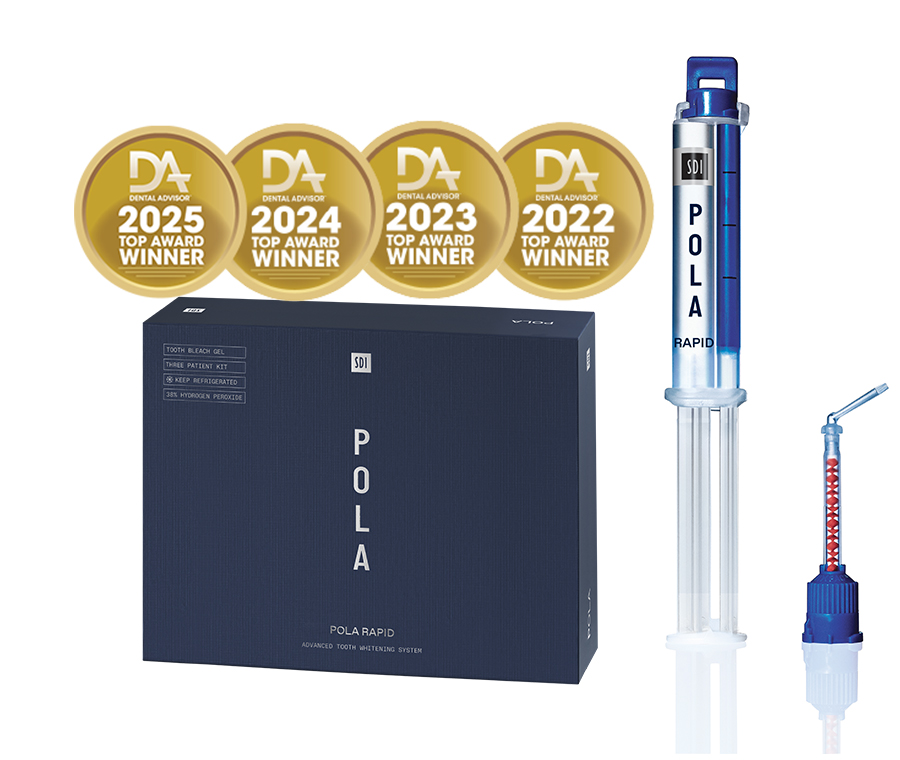
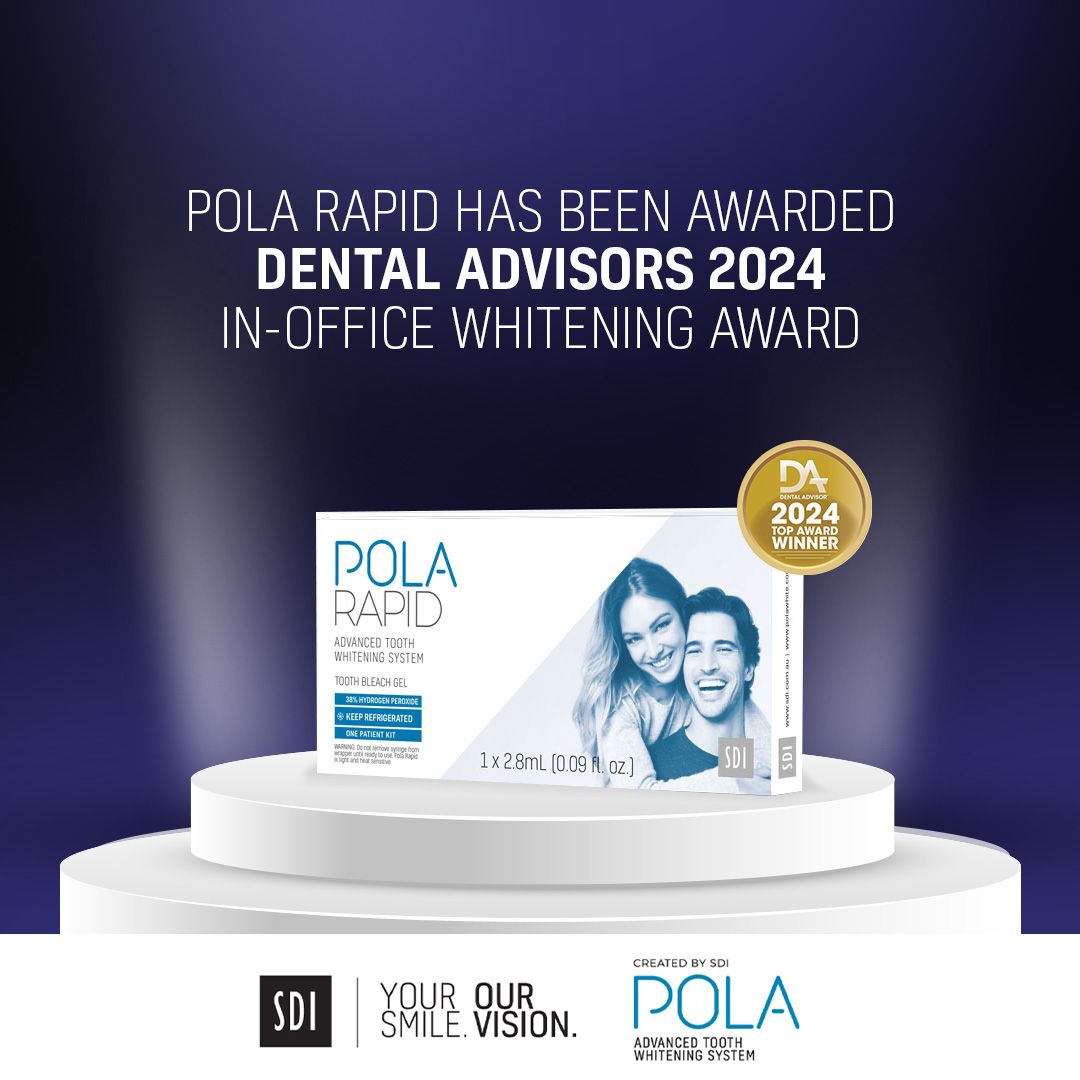
Polar Office Whitening (Australia)
Beyond at-home kits, dental professionals often recommend systems like Polar Office Whitening, a clinical-grade whitening technology from Australia. This system is widely used by dentists in Australia and New Zealand, and offers several advantages:
- Higher concentration peroxide: Achieves stronger results under professional monitoring.
- Dentist supervision: Minimizes risks of overuse or enamel damage.
- Predictable outcomes: Results are visible after just one session.
- Reduced sensitivity: Uses advanced desensitizing agents to protect enamel.
At Dentist Vung Tau, we proudly provide Polar Office Whitening with the same standards followed in Australia. Patients benefit from an international-quality whitening service without traveling abroad.
👉 Learn more about our whitening options here: Dentist Vung Tau Whitening Services
Who Should Choose Which Method?
- Snow Whitening (home kit): Suitable for young, healthy individuals with mild staining, and those looking for budget-friendly solutions.
- Professional Whitening (Polar Office, Zoom, Laser): Recommended for patients with severe discoloration, special events requiring quick results, or sensitive teeth that need expert care.
Safety Recommendations
- Always follow the product instructions carefully.
- Avoid overuse of peroxide gels; excessive use may weaken enamel.
- People with gum disease, cavities, or dental restorations (crowns, veneers) should seek professional consultation before whitening.
- Pregnant and breastfeeding women should avoid whitening procedures due to safety uncertainties.
Conclusion
Snow Whitening is an accessible and convenient method for mild tooth whitening at home. However, its results are modest, short-lived, and not a substitute for professional whitening. For patients seeking a long-lasting, safe, and clinically proven whitening solution, professional treatments such as Polar Office Whitening are a more reliable choice.
👉 If you are in Vung Tau and considering whitening, visit Dentist Vung Tau. Our team can recommend the most effective treatment for your individual needs.
References
- Demarco, F. F., Meireles, S. S., & Masotti, A. S. (2009). Over-the-counter whitening agents: A review of clinical efficacy and safety. Journal of Dentistry, 37(8), 606–613.
- Joiner, A. (2010). The bleaching of teeth: A review of the literature. Journal of Dentistry, 38, e17–e20.
- Li, Y., & Greenwall, L. (2013). Safety issues of tooth whitening using peroxide-based materials: A review. British Dental Journal, 215(1), 29–34.
- Maran, B. M., et al. (2018). In-office bleaching with LED and laser activated systems: Efficacy and side effects. Lasers in Medical Science, 33(2), 343–349.